EN

Wholesale Plus Size Swimwear For Women: Buying Guide for
2026/10/28
Explore the essential guide to wholesale plus size swimwear, covering quality, bulk ordering best practices, and sourcing high-quality materials.
2026/10/27

Choosing the right fabric is one of the first decisions to make when developing swimwear. The material affects the look, feel, stretch, coverage and durability of the finished swimsuit.
From classic nylon blends to recycled materials, ribbed textures and printed fabrics, there are many options available. The right choice depends on the style, purpose and overall look you want to achieve.
Here is a practical guide to some of the most commonly used swimwear fabrics.
Nylon and spandex blends are widely used for bikinis, one-piece swimsuits and fashion swimwear.
Nylon provides a smooth and soft hand feel, while spandex adds elasticity and helps the garment fit closely to the body. This combination is popular for swimwear because it offers a comfortable balance of softness, stretch and fit.
Nylon blends can also be produced in a wide range of colors, finishes and fabric textures, making them suitable for many different collections.
Best for: Fashion bikinis, one-piece swimsuits, resortwear and body-hugging styles.

Polyester is another common material used in swimwear. It is known for its strength, durability and color performance, making it a popular option for performance and printed swimwear.
When blended with spandex, polyester can provide the elasticity needed for fitted swimwear while maintaining the durability of the base fabric.
Polyester is also commonly used for digital printing. However, the suitability of a fabric for printing depends on its exact composition, construction and the printing process, so testing the actual fabric is recommended before bulk production.
Best for: Performance swimwear, training styles, printed collections and designs that require durability.
| Nylon Blend | Polyester Blend | |
| Feel | Soft and smooth | Smooth and durable |
| Stretch | Excellent when blended with spandex | Good when blended with spandex |
| Durability | Good | Very good |
| Common Uses | Fashion swimwear | Performance and printed swimwear |
Neither material is automatically better. The choice depends on the requirements of the specific product.
Fabric weight is usually measured in GSM, which means grams per square meter.
GSM gives you an idea of how lightweight or substantial a fabric is, but it should not be used as the only measure of quality.
A lighter fabric may feel softer and more lightweight, while a heavier fabric can provide greater coverage and a more substantial feel.
For swimwear, the right weight depends on factors such as the fabric construction, stretch, lining and design.
For example, a lightweight fabric may work well for a delicate fashion style, while a more structured swimsuit may require a heavier material.
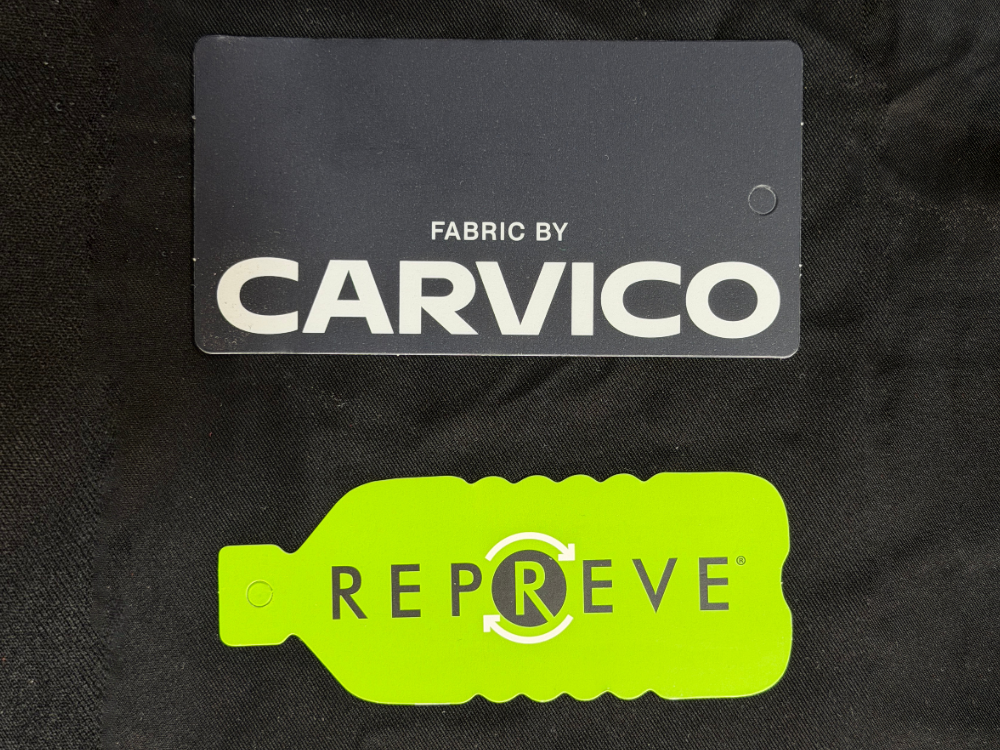
Recycled fabrics are increasingly used in swimwear, especially by brands looking to incorporate recycled materials into their collections. Two well-known options are ECONYL® and REPREVE®.
ECONYL® is a regenerated nylon made from recovered nylon waste, including discarded fishing nets, fabric scraps and other nylon waste. It is commonly used to develop fabrics for swimwear and other performance apparel.
REPREVE® is a recycled polyester fiber made from recycled materials, including post-consumer plastic bottles. It can be used in different textile applications, including swimwear fabrics.
Both offer options for brands looking to use recycled materials, but they are based on different fiber types: ECONYL® is regenerated nylon, while REPREVE® is recycled polyester.
When choosing a recycled swimwear fabric, brands should still consider factors such as stretch, recovery, weight, hand feel, color and the intended use of the garment. Specific material and certification information should also be confirmed with the fabric supplier.
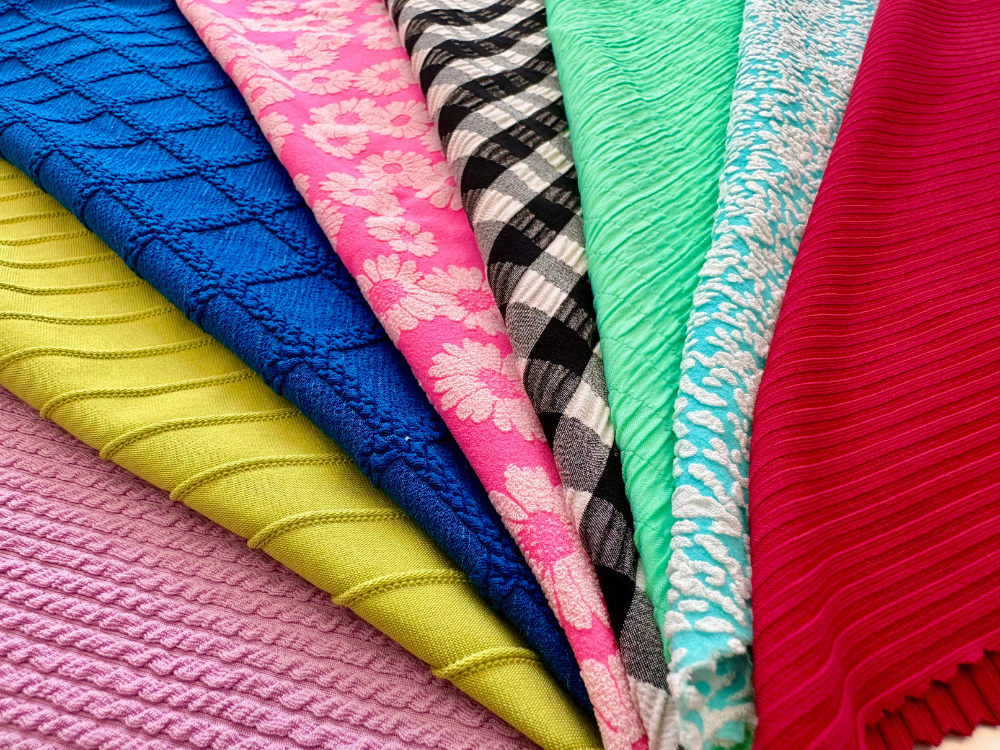
Fabric does not have to be smooth.
Ribbed and textured fabrics are popular in fashion swimwear because they add visual depth to otherwise simple designs.
Ribbed fabrics have raised lines created through their knitting structure. Depending on the construction, they can have different levels of stretch, thickness and recovery.
Other specialty options include:
· Jacquard
· Metallic
· Velvet
· Glitter
· Crinkle or wrinkled textures
· Towel textures
· Mesh
· Sequin fabrics
These materials can help create a distinctive look without changing the basic silhouette of a swimsuit.
Best for: Fashion collections, statement pieces, resortwear and collections where fabric texture is part of the design identity.
Instead of choosing a fabric simply because it looks good, consider how it will work with the finished garment.
Stretch and Recovery
Swimwear needs enough stretch for movement, but it also needs to recover its shape after being worn.
Coverage
Some fabrics become more transparent when stretched or wet. This is particularly important for white and light-colored swimwear.
Hand Feel
The fabric should feel comfortable against the skin. Smooth, soft fabrics and textured fabrics can create very different wearing experiences.
Color and Printing
If your collection uses specific colors or custom prints, check how the fabric performs with the required dyeing or printing process.
Lining and Construction
The fabric needs to work with the pattern, lining, elastic, binding and sewing methods used for the design.
A fabric that works well for one swimsuit may not necessarily work equally well for another.
A fabric swatch can tell you about the color and surface, but it cannot show everything about the finished garment.
During sampling, you can see how the fabric behaves once it is cut and sewn into the actual design. This allows you to check the fit, stretch, coverage, appearance and overall feel before moving into bulk production.
This is particularly useful when comparing different fabrics for the same style.
At Becarin, we work with a wide range of swimwear fabrics, including nylon, printed fabrics, recycled materials, ribbed fabrics, jacquard, metallic, velvet, mesh and other textured options.
For custom swimwear development, brands can compare suitable fabric options and select the material that best matches the design and collection.
There is no single best fabric for every swimsuit.
Nylon blends are a popular choice for soft, flexible fashion swimwear. Polyester can be suitable for durable and printed styles. Recycled materials offer options for sustainability-focused collections, while ribbed and specialty fabrics can create a stronger visual identity.
The best starting point is to consider what the swimsuit needs to look like, feel like and do — then choose the fabric accordingly.

2026/10/28
Explore the essential guide to wholesale plus size swimwear, covering quality, bulk ordering best practices, and sourcing high-quality materials.

2026/10/23
Discover key considerations for wholesale triangle bikinis, including sourcing reliable suppliers, cost factors, and efficient bulk ordering strategies.

2026/10/18
Explore essential insights on custom children's swimwear manufacturing, focusing on OEM services, reliable manufacturers, and quality control.

2026/10/13
Discover essential considerations for sourcing wholesale gym clothes women, including supplier reliability and cost factors for fashion brands.

2026/10/08
Explore how to choose reliable suppliers and the benefits of sustainable materials for beach coverups to enhance your fashion brand.