EN
EN

Women's Gym Tops: Performance Features Buyers Want
2026/09/13
Explore essential performance features in women's gym tops, including moisture-wicking, breathability, and how to choose the right wholesale supplier.
2026/07/14
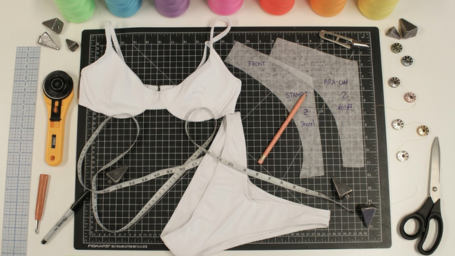
Developing a successful swimwear collection begins long before bulk production. Every top-selling bikini, one-piece swimsuit, or men's swim short starts with a carefully planned sampling process. Sampling allows brands to test designs, improve fit, verify materials, and identify potential production issues before investing in large-scale manufacturing.
Whether you are launching your first swimwear brand or expanding an existing collection, understanding each stage of sample development will help you communicate more effectively with your manufacturer and ensure a smoother production process.
Every swimwear project starts with an idea. Some brands provide detailed tech packs with measurements, construction details, and Pantone colors, while others only have sketches, reference photos, or design concepts.
At this stage, manufacturers review the design, discuss construction details, recommend suitable fabrics and accessories, and confirm production feasibility. Early communication helps avoid misunderstandings and ensures everyone is working toward the same goal.
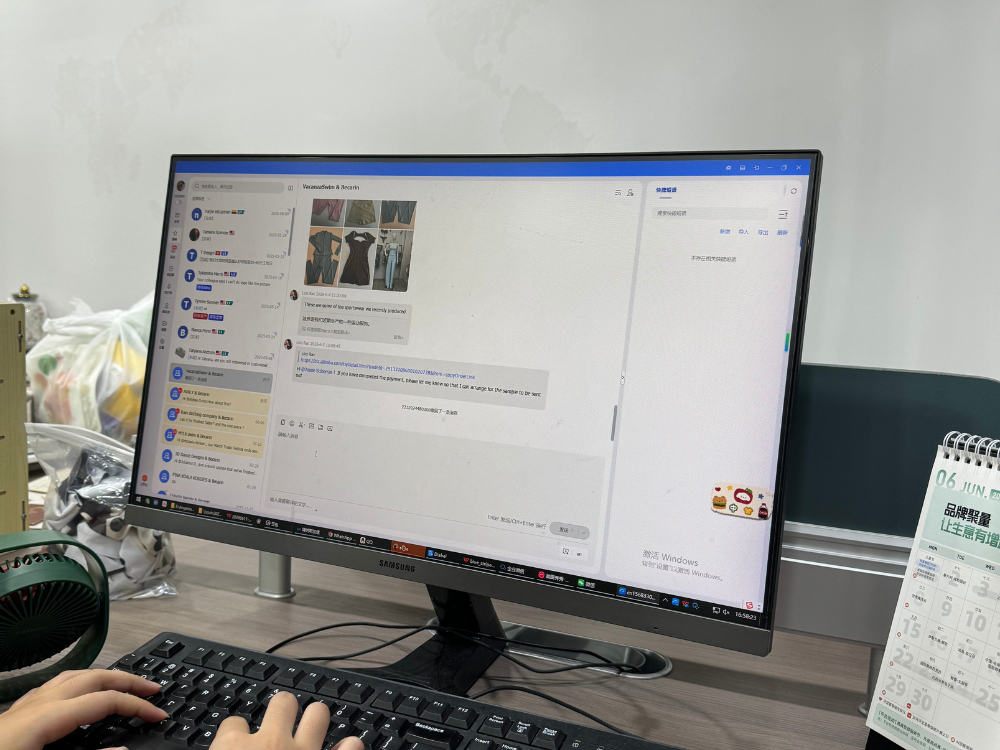
Once the design concept is approved, all production details are confirmed before development begins.
These details typically include:
· Style and silhouette
· Size range
· Fabric composition
· Lining requirements
· Color selection
· Printing method
· Logo application
· Accessories and trims
Providing complete information at this stage helps reduce revisions later in the sampling process.
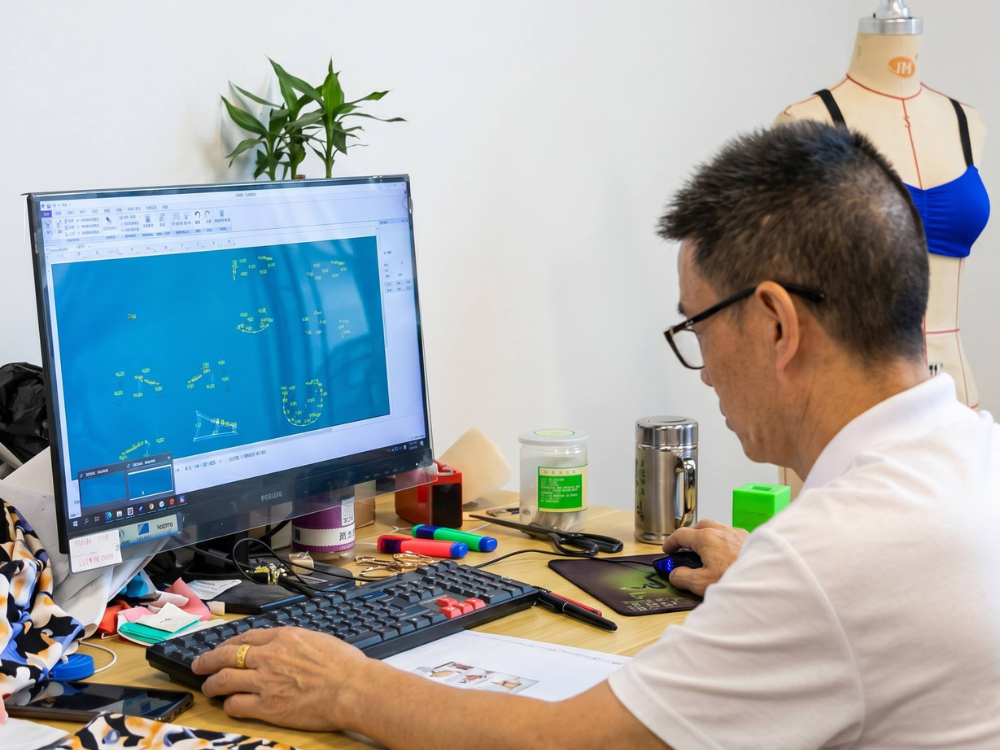
Pattern making is one of the most technical stages in swimwear manufacturing. An experienced pattern maker transforms the design into precise pattern pieces while considering stretch recovery, body proportions, and garment balance.
Accurate patterns are essential because even small differences can affect the final fit.
Professional manufacturers often adjust patterns several times before achieving the ideal result, especially for complex styles with cut-outs, underwire support, or asymmetrical designs.
Selecting suitable materials is just as important as creating an attractive design.
Most swimwear manufacturers offer various fabric options, including:
· Nylon & Spandex
· Polyester & Spandex
· Ribbed fabrics
· Jacquard fabrics
· Recycled fabrics
· Textured performance fabrics
At the same time, customers also choose:
· Elastic bands
· Bra cups
· Hooks and clasps
· Rings and sliders
· Drawcords
· Labels
· Packaging materials
Using high-quality materials helps improve durability, comfort, and customer satisfaction.
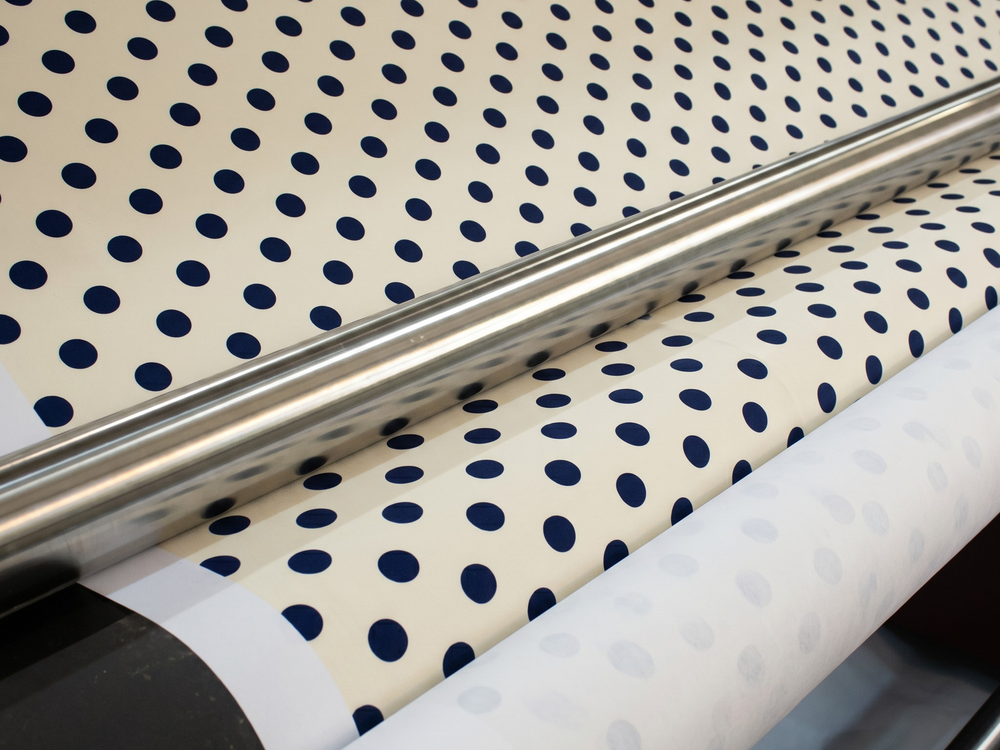
If your collection includes custom prints, artwork is prepared before printing begins.
Depending on the design requirements, manufacturers may use:
· Digital printing
· Sublimation printing
· Screen printing
· Heat transfer printing
Before production, print colors are checked to ensure they match the approved artwork as closely as possible.
After fabrics are approved, they move into the cutting department.
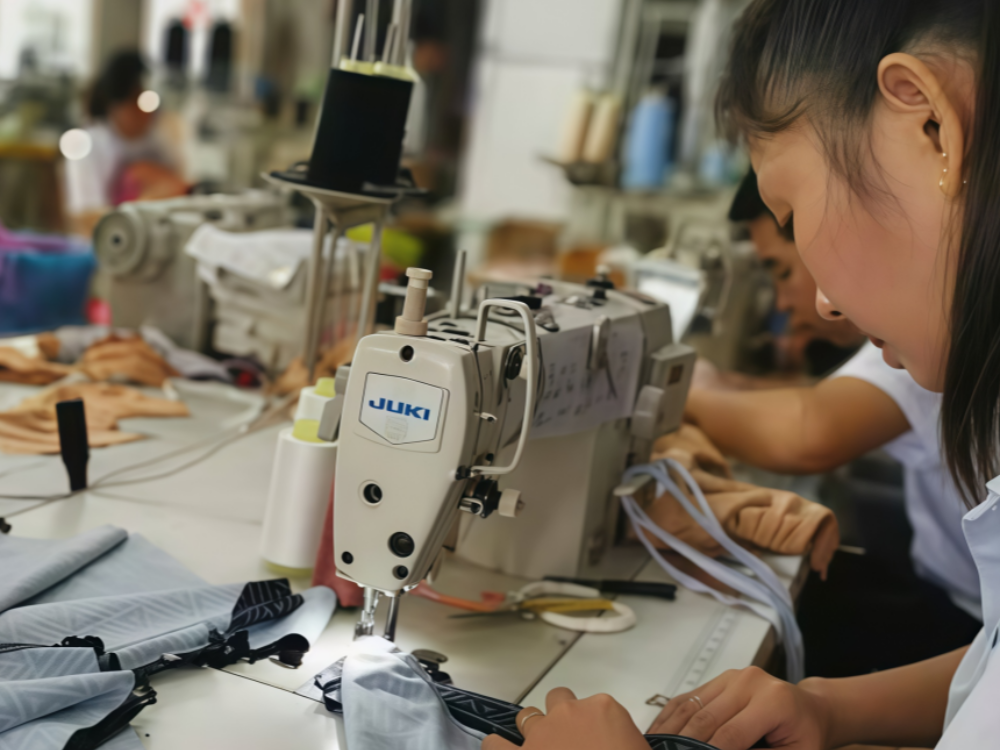
Fabric layers are carefully spread before cutting to ensure consistency. Skilled sewing operators then assemble the garments using specialized stretch sewing techniques.
Typical operations include:
· Joining panels
· Installing elastic
· Attaching cups
· Sewing lining
· Reinforcing stress points
· Finishing seams
Attention to detail during sewing directly influences product quality and comfort.
Brand identity is an important part of custom swimwear.
Depending on customer requirements, manufacturers can apply logos using:
· Heat transfer
· Silicone printing
· Embroidery
· Woven labels
· Care labels
· Rubber patches
Logo placement is checked carefully to ensure consistency across every sample.
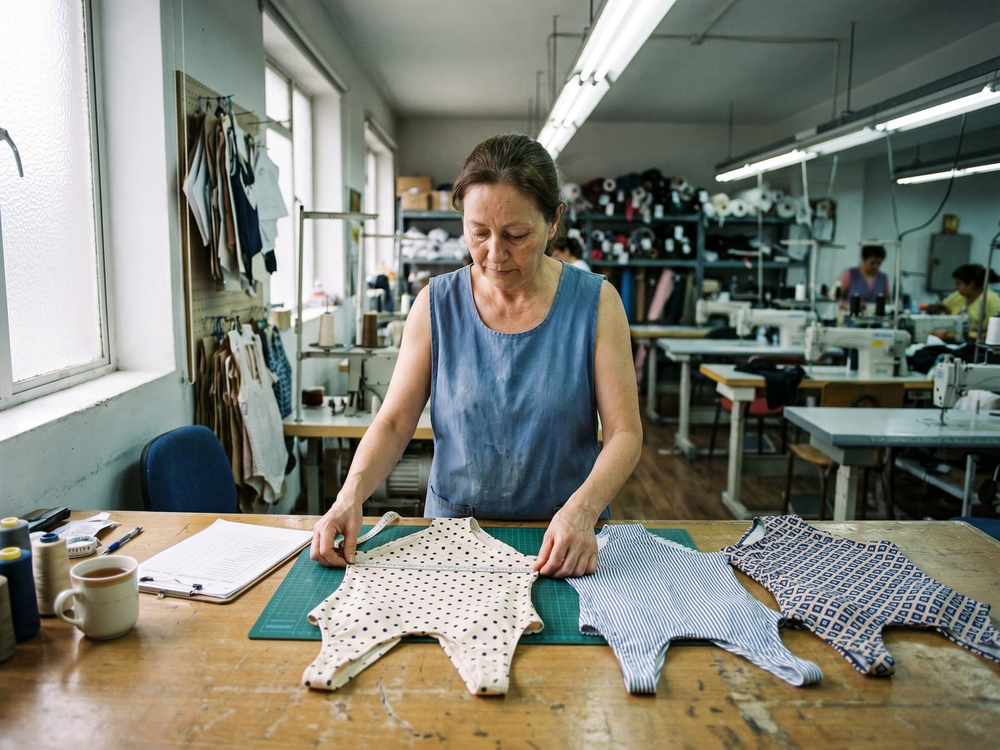
Before samples are shipped, they undergo a detailed inspection.
Quality checks usually include:
· Measurements
· Stitch quality
· Fabric appearance
· Print alignment
· Logo placement
· Overall workmanship
Any issues found during inspection are corrected before delivery.
Once customers receive the sample, they evaluate:
· Fit
· Comfort
· Appearance
· Color
· Fabric performance
· Branding details
If changes are needed, manufacturers update the patterns or construction before producing revised samples.
Although revisions may require additional time, they help ensure the final bulk order meets expectations.
Once the sample is approved, production moves to the bulk manufacturing stage.
The approved sample becomes the production standard, helping ensure every garment follows the same specifications throughout manufacturing.
Reliable factories continue performing quality inspections during cutting, sewing, finishing, and packaging to maintain consistent quality.
A well-managed sampling process reduces production risks, improves communication, and helps brands launch products with greater confidence.
Working with an experienced swimwear manufacturer means you benefit from professional pattern development, material sourcing, quality control, and technical support throughout every stage of product development.
Whether you are creating a single bikini design or developing a complete seasonal collection, investing time in sample development is one of the most valuable steps toward a successful swimwear brand.
2026/09/13
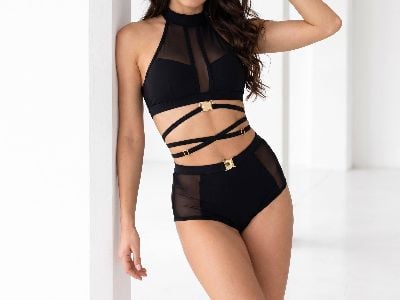
Explore essential performance features in women's gym tops, including moisture-wicking, breathability, and how to choose the right wholesale supplier.
2026/09/08
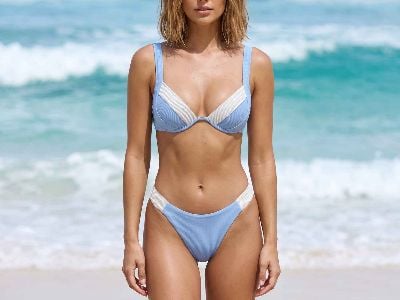
Explore key specifications and trends in women's swimsuits for 2026, focusing on sustainable materials and effective solutions for bulk orders.
2026/09/06
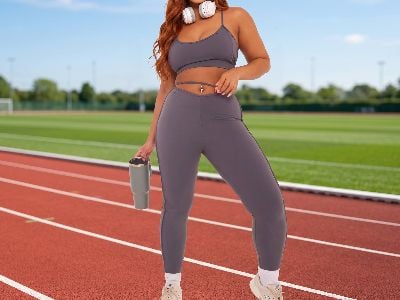
Explore essential factors for custom plus size swimwear, including specifications, supplier selection, and manufacturing insights for B2B buyers.
2026/09/05
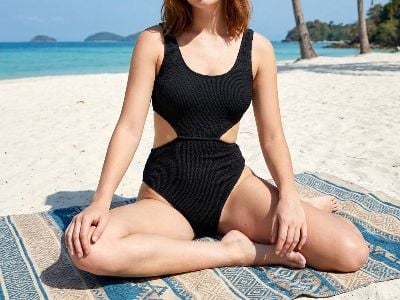
Explore our OEM guide on custom one piece bikini swimsuits, covering reliable suppliers, cost factors, and sustainable materials for your swimwear brand.
2026/09/04
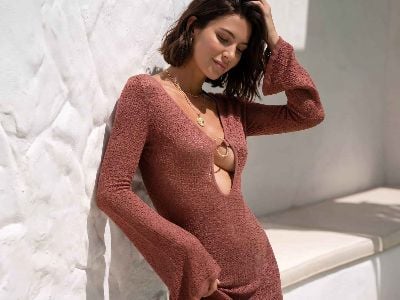
Explore high-quality cover up dresses for your business, including sustainable options, custom designs, and essential bulk order considerations.
2026/09/03
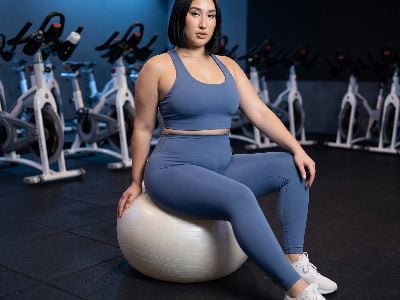
Discover key specifications, sourcing strategies, and solutions for common issues when selecting plus size activewear for your business.